
For years I treated vitamin C the way I treated flossing: I knew I should do it, I bought the things, and then the bottle sat in the back of a drawer until the liquid looked too dark to trust. A cheap serum I tried once smelled like a hot dog and did nothing. A department store one left my cheeks feeling tight and my wallet feeling lighter. So when I finally committed to eight weeks of steady morning use with TruSkin Vitamin C Serum, I kept my hopes on a short leash. It surprised me anyway, in the quiet way a good pair of walking shoes surprises you. You stop noticing them because they simply work.
A few things before I go further. I am 58, I live in Spokane, and my skin is the honest kind: dry on the cheeks, a little oily on the nose and chin, with fine lines at my eyes and forehead and a scatter of sun spots on my left cheek from decades of driving with the window down. I patch tested this serum on my jaw for three days before I put it anywhere near my face. If you have sensitive skin or a history of reactions, do the same, and if something worries you, see a dermatologist. I am not a doctor. I am a retired dental hygienist who spent thirty years looking at faces up close, and I keep a notebook.
The Quick Verdict
A sensible daily vitamin C that brightened my complexion and nudged my sun spots lighter over eight weeks. Not a cure-all, and it needs to live out of the light, but it earned its place in my morning routine.
Amazon Check Today's Price →The serum that finally earned a spot on my morning shelf
Eight weeks of steady use, 3 to 4 drops a day, and my dated bathroom-mirror photos show a brighter complexion and sun spots that look a little lighter. Patch test first, then decide for yourself.
Amazon Check Today's Price on Amazon →How I've Used It
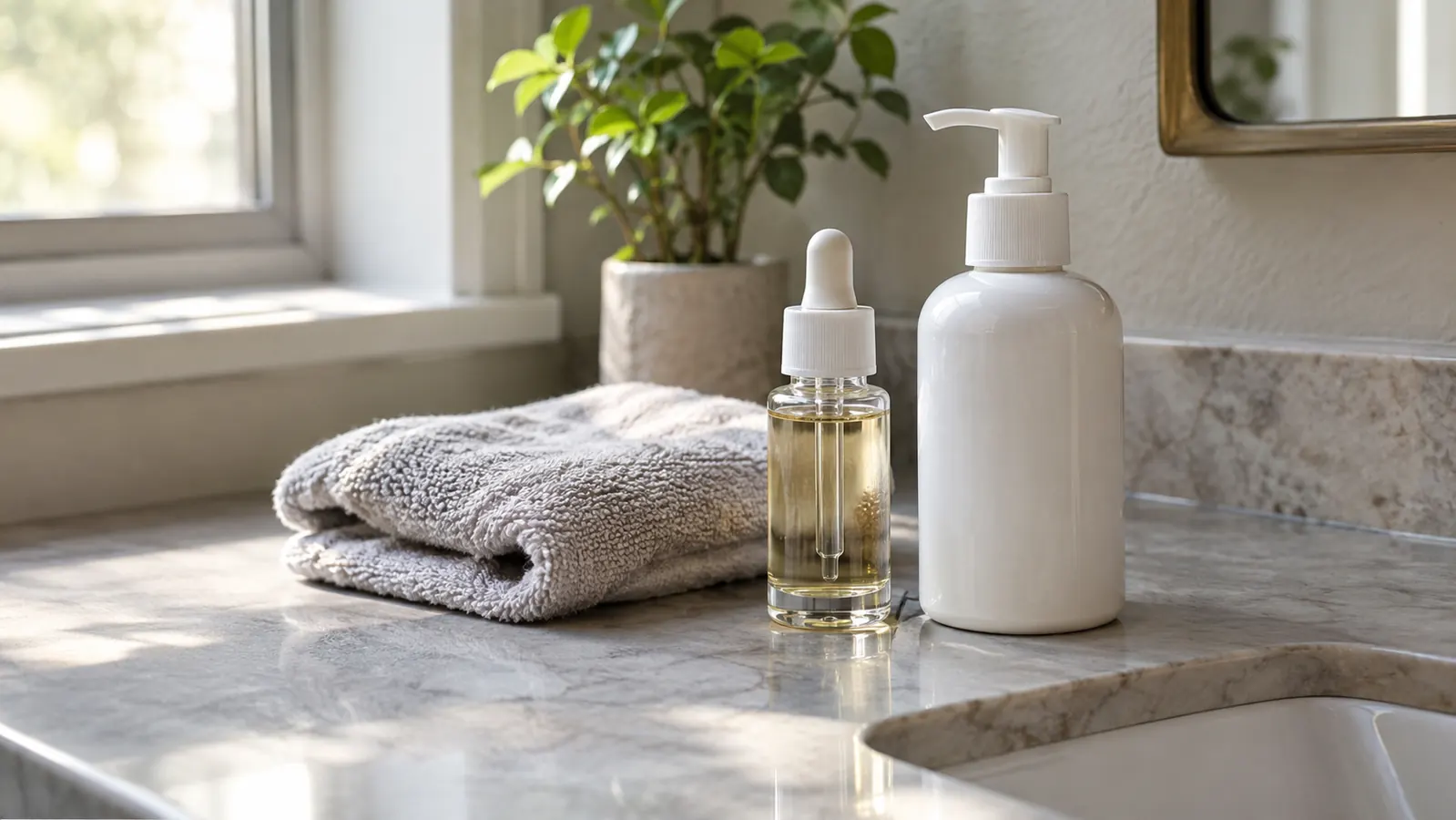
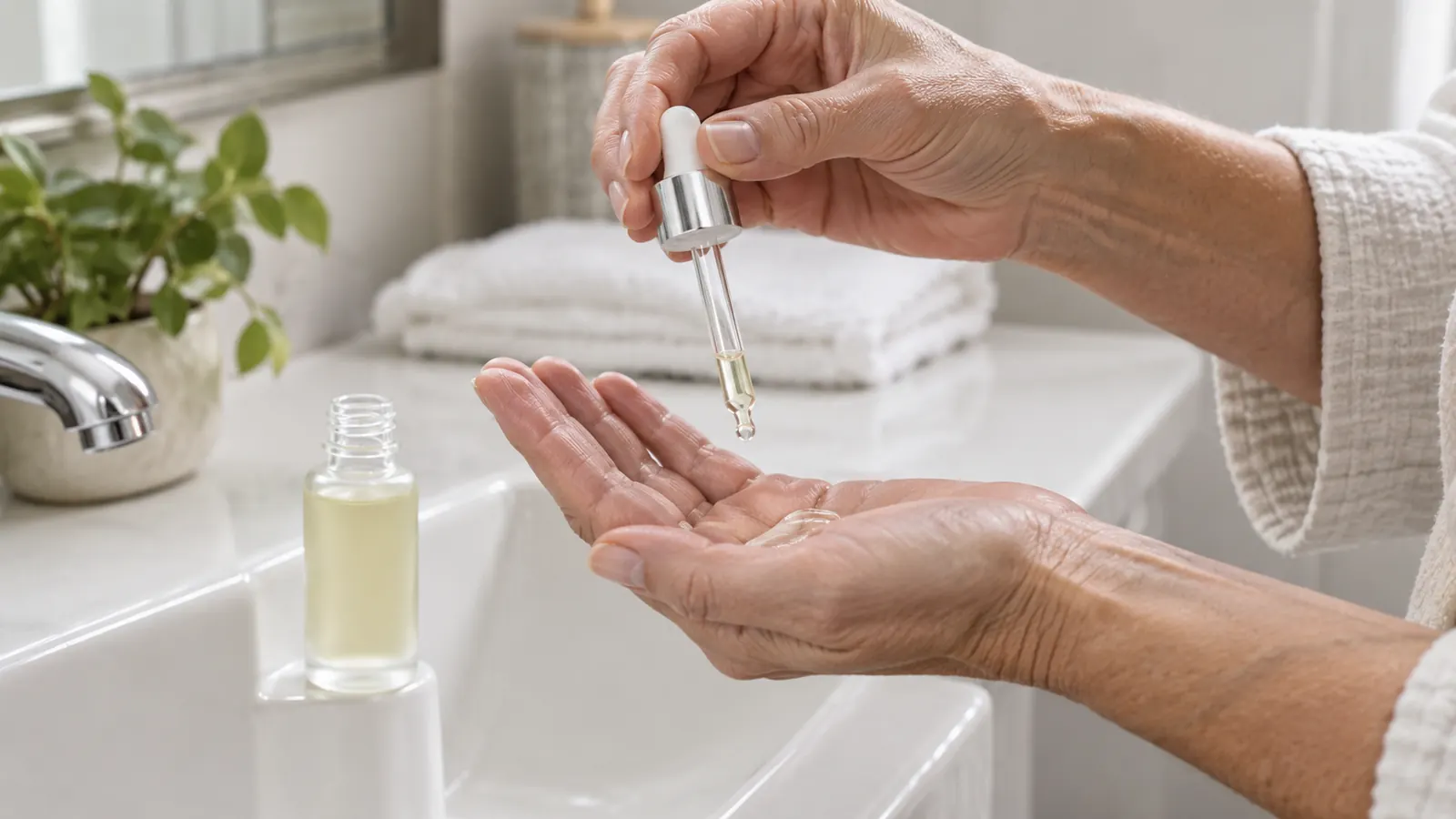
My routine is boring on purpose. Gentle cream cleanser, this serum, plain fragrance-free moisturizer, mineral SPF. Every single morning, in that order. I used 3 to 4 drops, pressed into my face and neck while my skin was still slightly damp, and I waited a minute or two before the moisturizer so the serum had time to settle. The bottle is a 1 fluid ounce glass dropper bottle, which matters more than it sounds like it should. Vitamin C is sensitive to light, so I keep mine in the medicine cabinet, away from the window, and I close the lid every time. That is the kind of small habit that decides whether a serum like this lasts or turns.
The first week there was a faint tingle, the kind that says something is happening, not the kind that says stop. It faded by week two and never came back. The scent is faint too, a little citrusy, nothing like the hot dog serum of my past. I kept a dated photo every Sunday in the same window light, and I wrote down anything I noticed: texture, redness, how my moisturizer sat on top. My daughter Lena, who lives in Seattle and knows far more about skincare than I do, told me to be patient and stop staring at the mirror every day. She was right.
I want to be clear about one thing: I did not change anything else in my routine while I tested this. No new cleanser, no new moisturizer, no new sunscreen. One product at a time is the only way to know what is actually doing the work, and it is the rule I follow with everything I test.
What the Ingredient List Actually Means
The front of the bottle says vitamin C with hyaluronic acid, and if you have read a few serum listings you have seen those words so often they stop meaning anything. In plain terms: vitamin C is the part that supports a brighter, more even look, and hyaluronic acid is the part that pulls in water so your skin feels plumper. Neither one is a magic wand. What a serum can do is help your skin look more rested and even. What it cannot do is erase a decade of sun exposure in eight weeks. I keep that sentence in my notebook and I remind myself of it every time I am tempted to expect too much.
I will also tell you what I do not know. I cannot look at a label and tell you how stable the vitamin C is, or whether it will play nicely with every other product you own. What I can tell you is that this one sat on my shelf for eight weeks, still looked like itself at the end, and never pilled under my moisturizer or my sunscreen. That is more than I can say for some serums that cost a great deal more. If you are new to vitamin C, start slow, a few mornings a week, and let your skin tell you what it thinks.
What Eight Weeks of Photos Showed
Week one was uneventful, which is the polite way of saying I was underwhelmed. My skin felt fine, looked fine, and I wondered if I was wasting my time. Week three was when I stopped thinking about it, which I have learned is usually a good sign. By week five, my husband Dale, who has never once commented on my skincare in all our years of marriage, said my face looked "rested." Coming from him, that is a paragraph-long review.
The real evidence is in the photos. My complexion looks brighter, in the way that a freshly washed window looks brighter: not a different color, just clearer. The sun spots on my left cheek, the ones I have been apologizing to for years, look a little lighter by week eight. Not gone. I want to be very plain about that, because the before and after photos on some listings would have you believe a serum can resurface your entire face in a month. Mine did not. It made a difference I can see in good light and a difference I can feel when I put my moisturizer on. That is the honest version, and it is the reason I would recommend this serum to a friend with realistic expectations, but not to someone looking for a quick fix.
One thing the photos cannot show is how my skin felt. By week six I noticed my moisturizer seemed to sink in faster in the mornings, and my cheeks did not feel as tight by mid-afternoon as they usually do in Spokane winters. The air here is dry from October through March, and most winters my cheeks remind me of it. This was the first winter in a few years that my skin felt comfortable, and while I cannot prove the serum did all of it, I am not about to stop using it to find out.
What Irritated Me, and What Disappointed Me
Three things, in the spirit of honesty. First, the tingle. It was mild and it went away, but if your skin reacts to everything, patch test on your jaw for a few days and do not start with a full face. Second, the bottle. I like the dropper, but glass means I have to be careful in the bathroom, and the serum needs to live out of the light or it will darken faster than you want. That is not a flaw unique to this product. It is the nature of vitamin C, and the listing says as much.
Third, and this is the disappointment: my sun spots did not vanish. They lightened, and I will take that, but I went in hoping for more and I want you to have realistic expectations. Amazon's star ratings and thousands of reviews suggest plenty of people are happy with this serum, and I understand why. I just wish more of those reviews mentioned that the results are gradual, not dramatic.
One more honest note: I wish the bottle told me when to replace it. I marked the bottom with a small piece of tape and the date I opened it, which is a habit I recommend. A vitamin C serum is freshest in the first few months, and if you use it daily like I do, you will finish the bottle well before it has a chance to go bad.
By week eight my complexion looked brighter and the sun spots on my left cheek looked a little lighter. Not gone, and I want to be very plain about that.

How It Compares to the Vitamin C I Used Before
Years ago I used part of a jar of CeraVe vitamin C, and I remember two things about it: it was fine, and I never finished it because the jar was awkward and I kept forgetting it existed. The TruSkin dropper bottle is easier in practice. Three or four drops is a no-brainer amount, the dropper is precise, and because it lives in the medicine cabinet I see it every single morning when I brush my teeth. That visibility is half the battle with any daily product.
I also tried The Ordinary retinol years ago and flaked because I used it too often too fast, which taught me to respect active ingredients. That is the lens I brought to this serum: respect it, patch test it, start slow, and let it earn its place.
The comparison that matters most is not between bottles, though. It is between the serum you use every day and the one you forget about. TruSkin earned its place because it is easy to use, easy to remember, and easy on my skin. That combination is rarer than you would think.
How It Fits Into My Routine Now
Eight weeks in, this TruSkin serum has a permanent seat at my morning table. I use it every morning under my mineral SPF, and at night I alternate between Olay Retinol Night Cream one night and The Ordinary copper peptides the next, never together. Vitamin C in the morning and retinol at night is a common pairing, and if you are using other active ingredients, it is worth a quick conversation with your own doctor before you stack things.
One more practical note. The serum can darken a little in the bottle over time, and that is why mine lives in the medicine cabinet instead of on the open shelf where I keep my moisturizer. If yours arrives looking darker than you expect, or smells off, send it back. A serum that has gone bad is not doing your skin any favors, and there is no shame in returning a bottle that is not right.
What I Liked
- Visible brightening by week eight, confirmed by dated photos in the same window light
- Only 3 to 4 drops a day, so a 1 fl oz bottle lasts a good while
- Faint scent, no pilling under moisturizer or mineral SPF
- Mild tingle faded after the first week; fine for my combination skin after a jaw patch test
- Fair price for a daily serum, especially next to department store options
Where It Falls Short
- Sun spots lightened but did not disappear; keep your expectations realistic
- Needs to be stored away from light or it can darken in the bottle
- Glass dropper bottle means careful handling in the bathroom
- First week had a slight tingle, so patch test before full-face use
Who This Is For
This serum is for the person who wants a daily vitamin C that does not require a chemistry degree or a second mortgage. It is for the person with combination skin, or dry cheeks, or the early signs of sun damage who wants to do something sensible in the morning before sunscreen. It is for the person who will actually use it every day, because a serum in a drawer is just an expensive dust collector. And it is for the person who understands that gradual is still progress, that lighter sun spots and a brighter complexion are wins even when they are not dramatic. If that sounds like you, and you patch test first, this is a reasonable place to start.
Who Should Skip It
Skip it if your skin is prone to reactions and you are not willing to patch test and start slow. Skip it if you are looking for dramatic changes in two weeks, because you will be disappointed and I do not want to be the reason you bought a bottle you end up hating. Skip it if you cannot be bothered to store it away from light, because vitamin C that sits on a sunny windowsill will darken, and you will blame the product for something that is really about where you kept it. And if you are already using a vitamin C product that works for you, stay with it. The goal is not to switch for the sake of switching. It is to find the thing you will actually use every day.
Eight weeks, one honest verdict
TruSkin Vitamin C Serum brightened my complexion and lightened my sun spots a little, and it now sits in my medicine cabinet every morning. Patch test first, then check today's price on Amazon to see if it fits your routine.
Amazon Check Today's Price on Amazon →