
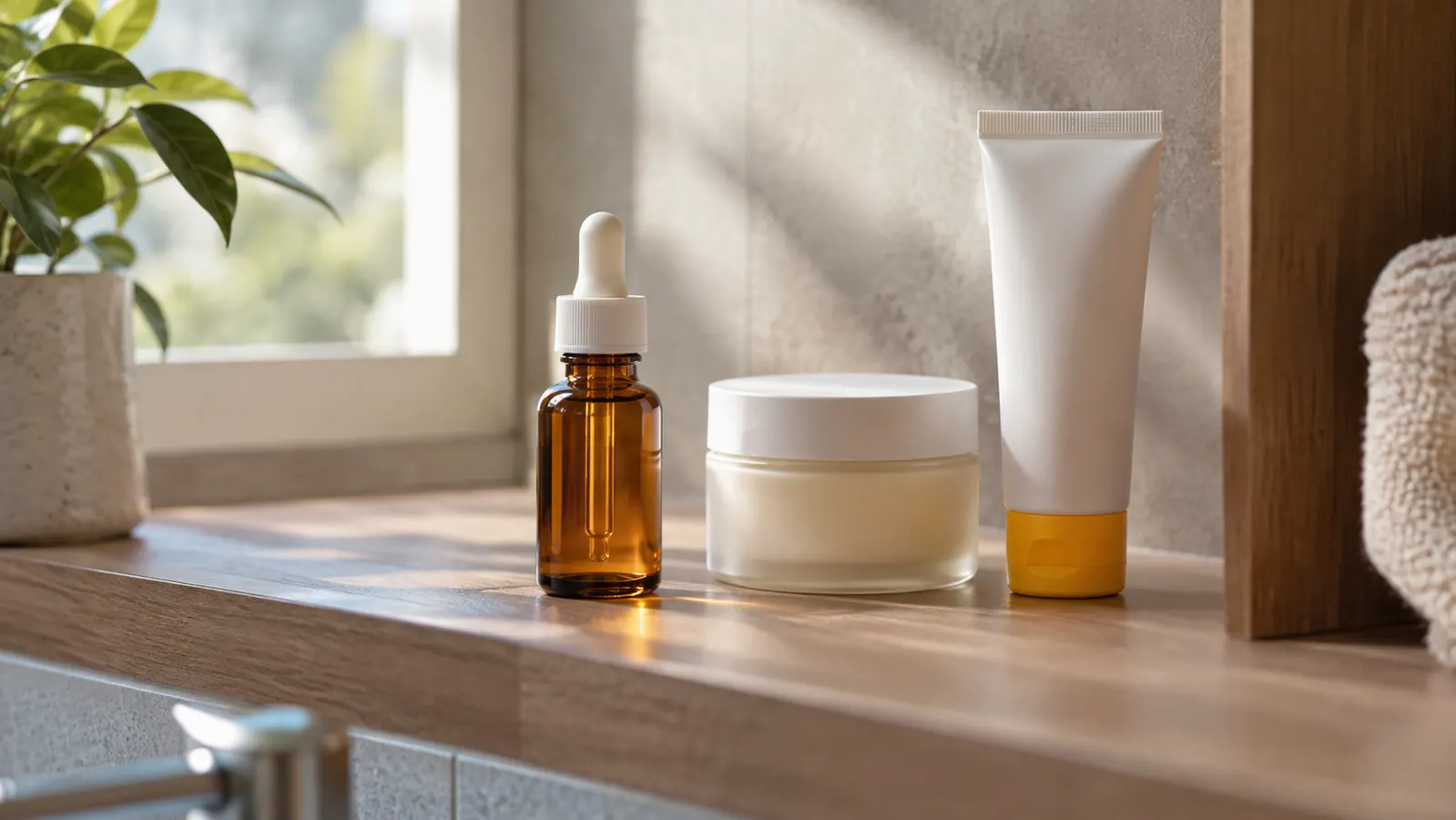
Eight weeks ago I made exactly one change to my evening routine: I swapped my plain night serum for CeraVe Retinol Serum. Everything else stayed the same, same cream cleanser, same fragrance-free moisturizer, same mineral sunscreen every morning. One change at a time is the only way to know what is actually doing the work. I am 58, my skin is combination, dry on the cheeks and a little oily on the nose and chin, and the left side of my face has the sun spots to show for thirty years of driving in Eastern Washington sun. The first time I tried a retinol, years ago, I used it too often too fast and my skin flaked for two weeks. I swore I would never do that again.
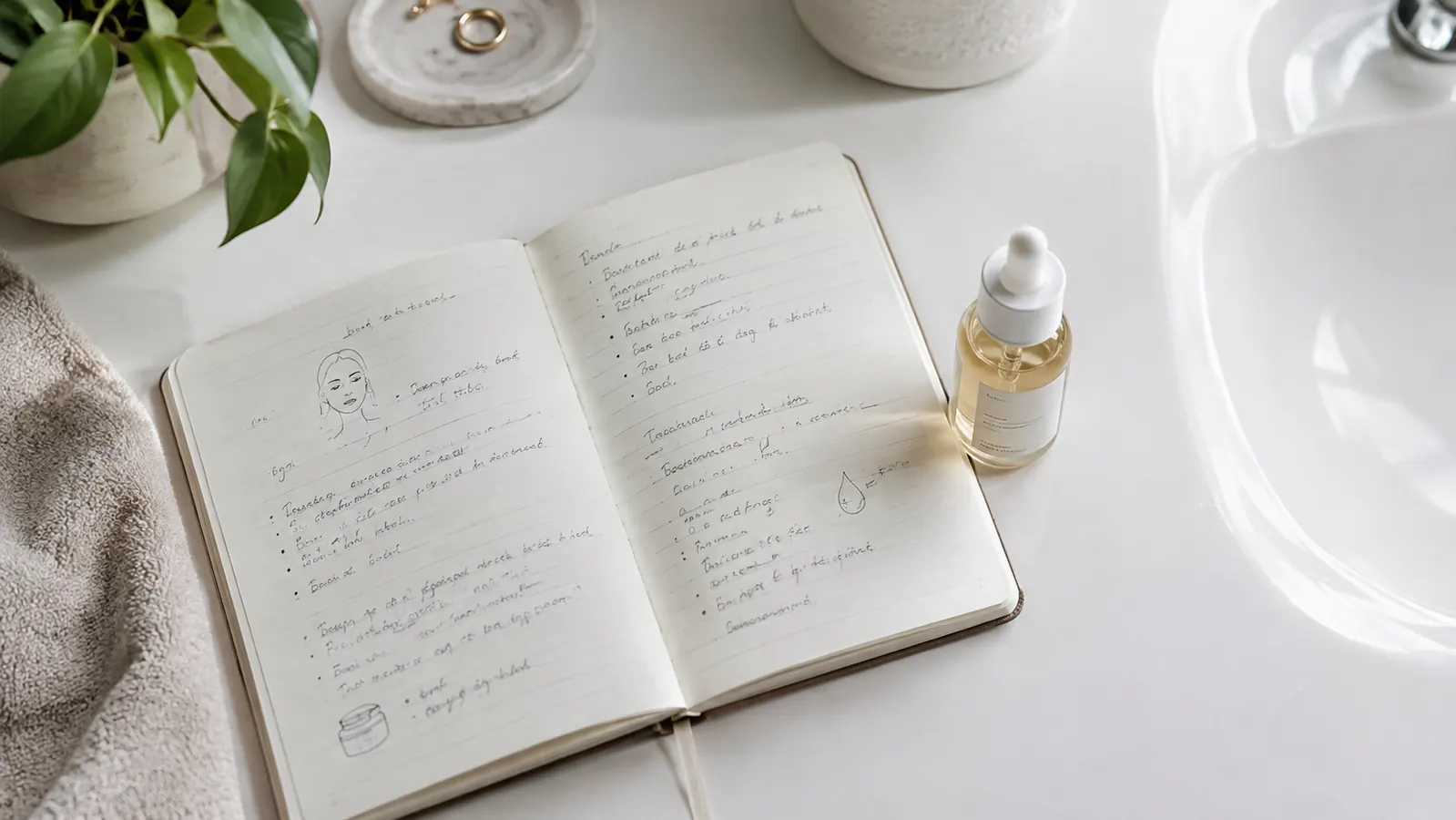
So this time I did the slow version. Patch test on the jaw first, then every third night for a few weeks, then every other night, then nightly. I kept a small notebook and took bathroom-mirror photos in the same window light so I could compare honestly. The short version: the flaking came back around my nose in weeks one and two, but it was milder than before and it was gone by week four. By week eight my skin texture looked smoother and my forehead lines looked a little softer in the photos. The lines did not vanish. I did not expect them to. But this serum did what I asked of it, and I still keep a bottle in my travel bag.
The Quick Verdict
CeraVe Retinol Serum smoothed my skin texture and softened my forehead lines over eight weeks, with mild flaking in the first month. Patch test first, start slow, and wear mineral SPF every morning.
Amazon Check Today's Price →A retinol serum that respected my sensitive skin
CeraVe Retinol Serum pairs retinol with niacinamide and hyaluronic acid in a lightweight, fragrance-free formula. It earned a permanent spot in my travel bag. Check today's price on Amazon and see if it suits your skin.
Amazon Check Today's Price on Amazon →How I've Used It
My method is the same for every product I test: one new thing at a time, for at least eight weeks, with notes and dated photos. Before I put CeraVe Retinol Serum anywhere near my face, I patch tested it on my jaw for a week. Then I started on clean, dry skin at night, every third night, with my plain moisturizer on top. Retinol does its work while you sleep, and it can be drying, so that moisturizer layer matters.
After about three weeks, when my skin was not complaining, I moved to every other night. Somewhere around week five I went to nightly use. I never layered a second retinol product on the same night, and I never skipped my morning mineral SPF, because retinol makes skin more sun-sensitive. The bottle lasted the full eight weeks with a little left over, which tells you how small an amount you actually need. A dab the size of a pea covered my whole face.
One thing that surprised me was how well it layers. Some serums pill under a moisturizer or sit on the skin like a film. This one sank in quickly and left no sticky feeling, which matters when you are putting a cream on top every single night. It also played nicely with the rest of my routine: nothing pilled, nothing turned orange, nothing stung.
What's in the Bottle
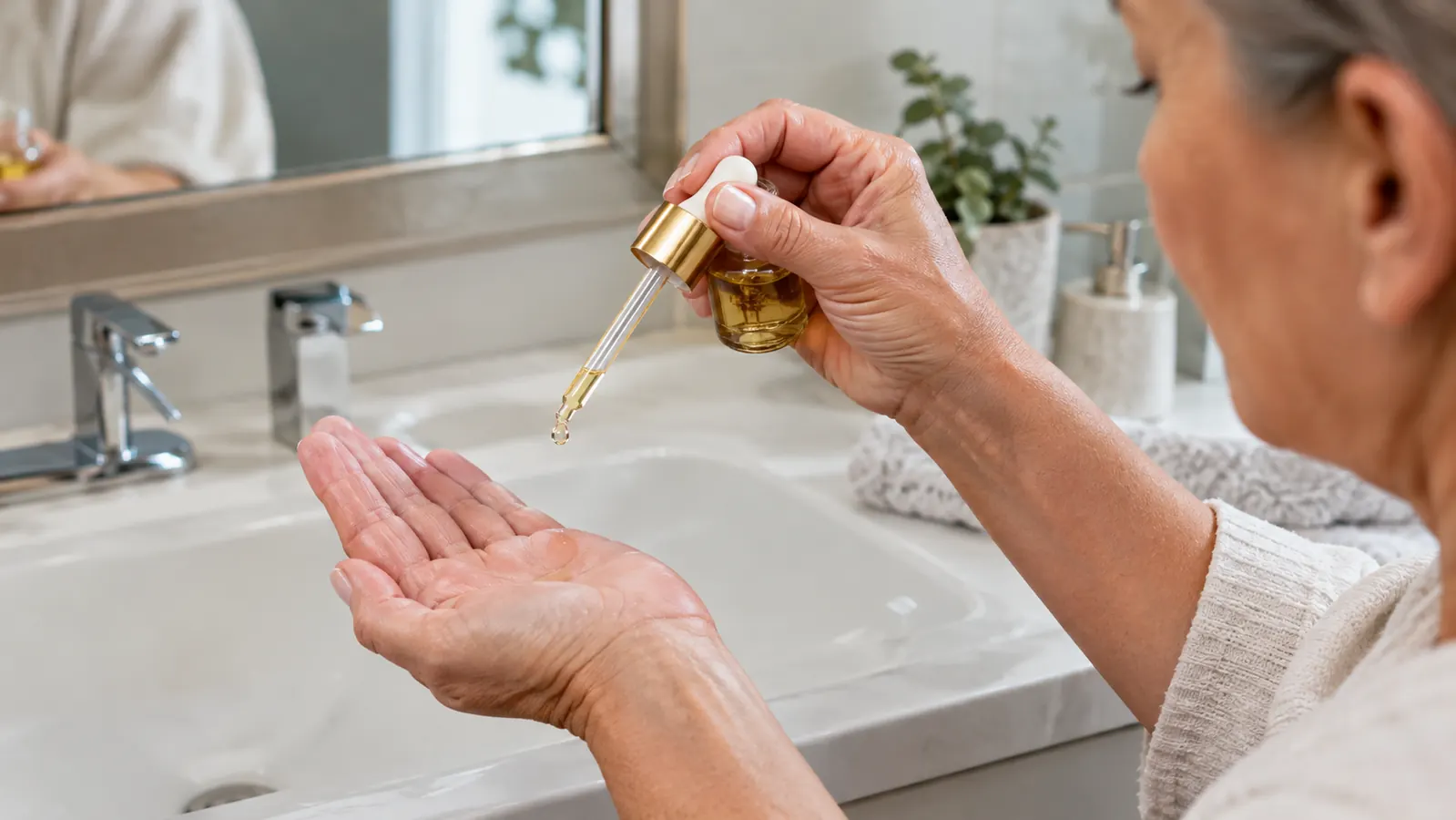
The name on the label says most of it: retinol with niacinamide and hyaluronic acid. Retinol is the workhorse, the ingredient that helps skin look smoother and fine lines look softer over time. Niacinamide is there to support the skin and help it tolerate the retinol. Hyaluronic acid pulls in moisture, which is exactly what my dry cheeks need in a Spokane winter. It is a sensible trio, and it explains why the serum is gentler than a bare retinol.
The formula is fragrance-free, which is the first thing I check, because fragrance is the easiest way to irritate sensitive skin. The texture is light, more like a lotion than a heavy serum, and it absorbs fast. CeraVe built its name on plain, sensible skin care, and this serum fits that description: no scent, no unnecessary extras, no fuss. That is not glamorous, but glamour is not what I want from a product I put on my face every night.
It is also one of the most-reviewed retinol serums on Amazon, with a 4.6 out of 5 star rating across thousands of reviews. I take star ratings with a grain of salt, because happy people review and irritated people also review, but a sample that large tells you something: a lot of people found it gentle enough to finish the bottle. That matches my own eight weeks.
One more thing about how retinol works: it does its job slowly, on your skin's own schedule. You are not resurfacing anything overnight, and anyone who implies otherwise is selling something. The eight-week test exists for a reason, and the reason is that skin takes about that long to show you what a product is really doing.
Weeks One and Two: The Flaking
I want to be straight with you: the first two weeks were not pretty. Around my nose, the skin turned dry and started to flake, the same thing that happened to me years ago with a different retinol. The difference was the scale. That first time, I had used the product too often too fast and my whole face peeled. This time, the flaking stayed mostly around my nose and chin, and it was manageable. I could cover it with moisturizer and no one at the grocery store was staring.
I handled it by backing off the schedule for a few nights, using a little extra of my plain moisturizer, and being patient. I also resisted the urge to scrub the flakes off, which is hard for a former dental hygienist who likes things clean. They went away on their own, and by week four my skin was calm again. That is the part nobody puts on the front of the box: retinol asks for patience in the first month.
The other rule I followed was to keep the rest of my routine plain during the adjustment period. No scrubs, no extra active ingredients, no experimenting with anything else. My face was already busy adjusting to the retinol, and adding more would have made it impossible to know what was causing what. Boring routines win.
What Changed by Week Eight
The honest answer, from my notebook and my dated photos: my skin texture looked smoother, especially on my cheeks and forehead. The fine lines on my forehead looked a little softer in the same window light, not gone, just less etched. My sun spots on the left cheek did not disappear. I did not expect them to, and I would not trust anyone who promised they would. Spot fading is a different job, and a retinol serum is not a spot treatment.
The change was gradual, the kind you notice when you put the week one photo next to the week eight photo, not when you look in the mirror on any single morning. That is honestly how I prefer results to arrive. Fast results from a skincare product usually mean irritation or something harsh underneath, and I have had enough of both to know I would rather be bored for eight weeks than red for two.
My daughter Lena, who lives in Seattle, noticed the change before I did. She visited in week seven and asked if I had gotten more sleep. I had not. That is the kind of compliment that means more than my own mirror, because she had no idea I was testing anything. I told her about the serum and she rolled her eyes at her mother, but she wrote down the name.
The Tradeoffs Nobody Puts on the Box
First, the flaking. Even done right, with a patch test and a slow schedule, my skin complained for the first couple of weeks. If you have a wedding or a big event coming up, do not start a retinol two weeks before it. Start it after the event and give yourself the full eight weeks. Second, the bottle is small, one ounce, which is standard for a serum but still feels quick when you are looking at it. It lasted my whole test, so it is fair, but do not expect a six-month supply.
Third, retinol demands a routine around it. You need SPF every morning, you need to avoid layering another retinol on top of it, and you need to wait out the adjustment period. If that sounds like too much commitment, a retinol serum is not the product for you, and that is a fine thing to decide before you buy. There are gentler ingredients that do smaller jobs, and I use some of them on the nights I am not using this.
Fourth, and this is the one I repeat to anyone who asks: it will not erase the lines you already have. It softened mine a little. That is the realistic ceiling. If you go in expecting a completely different face at week eight, you will be disappointed no matter how good the serum is. I would rather tell you that now than have you blame the product for a promise it never made.
How It Compares to What I Used Before
I have tried other retinols, and the comparison is useful. Years ago I used The Ordinary Retinol in squalane and flaked badly, because I used it too often too fast. That product was not the problem; my impatience was. The CeraVe serum is gentler, and my slower schedule worked with it instead of against it. I have also used Neutrogena Rapid Wrinkle Repair on and off over the years, which was fine, though I never gave it a full eight weeks to judge fairly.
For hydration I have used a plain hyaluronic acid serum for years, and the fact that CeraVe includes hyaluronic acid in the formula is one reason it suited my dry cheeks. If you already own a separate hyaluronic acid serum, you can still use both. Just give each layer a minute to sink in before you apply the next one, and keep the retinol serum for the night and the hyaluronic acid for whenever your skin feels thirsty.
What I did not do during this test was use a second retinol on other nights. One retinol product at a time is the rule, and it is the rule that kept my skin calm. If you are already using a prescription retinol or a strong over-the-counter one, talk to a dermatologist before adding a serum like this to the same routine. Skin is not a place to improvise.
What I Liked
- Fragrance-free and lightweight, with no sticky film
- Milder adjustment than my first retinol experience
- Texture looked smoother and forehead lines softer by week eight
- Layers well under a plain moisturizer
- Small bottle is easy to pack for travel
Where It Falls Short
- Dryness and flaking around the nose in weeks one and two
- Results take a full eight weeks to read honestly
- Will not erase established lines or sun spots
- One ounce goes faster than you expect
- Requires daily SPF and a slow, patient start
By week eight my forehead lines looked a little softer in the same window light, and the flaking that worried me in week two was long gone.
Who This Is For
CeraVe Retinol Serum is for people with sensitive or easily irritated skin who want to start retinol the slow way. It is for the person who will patch test on the jaw, use it every third night at first, wear SPF every morning, and wait eight weeks to judge the results honestly. It is also for people with combination skin like mine, because the lightweight texture does not add oil to the nose and chin while the hyaluronic acid helps the dry cheeks. If that sounds like you, this is a gentle, honest place to start.
It is also for people who travel. The bottle is small enough to slip into a toiletry bag, which is why I still keep one around even though I have since settled into a different nightly routine at home. Some products earn their place in the medicine cabinet; this one earned its place in my suitcase.
Who Should Skip It
Skip it if you want dramatic results in two weeks, because you will be disappointed and possibly irritated. Skip it if you are not willing to wear sunscreen every day, because retinol increases sun sensitivity and the SPF is non-negotiable. Skip it if your skin is currently inflamed, peeling from something else, or recovering from a reaction, and ask a dermatologist before starting any retinol. If you are pregnant or nursing, check with your doctor first. And if your skin is very dry all over, you may prefer a richer retinol cream over a lightweight serum, because the serum is thin by design.
Start slow, and give it eight weeks
Patch test on your jaw, use it every third night at first, and keep your sunscreen where you cannot miss it. If your skin tolerates it the way mine did, CeraVe Retinol Serum is a gentle, honest introduction to retinol, and the small bottle makes it easy to take with you. Check today's price on Amazon.
Amazon Check Today's Price on Amazon →